
Securing a bail bond requires a specific set of documents: a government-issued photo ID, proof of residence, proof of income, and the defendant’s full legal name, booking number, and jail location. These are the foundational requirements for bail bond paperwork, and missing even one can delay a loved one’s release by hours. In Kansas, bondsmen also assess co-signer financial stability and may require collateral for higher bail amounts. Knowing exactly what to gather before you call a bondsman is the fastest way to get the process started.
1. Documents needed for a bail bond: the core list
The essential documents to initiate a bail bond include a valid government-issued photo ID, proof of residence, proof of income, and the defendant’s arrest details. These are not optional. Every licensed bondsman in Kansas requires them before any bail bond application documents can be processed or submitted to the jail.
The photo ID must belong to the person signing the bond, known as the indemnitor or co-signer. Accepted forms include a valid driver’s license, U.S. passport, or state-issued ID card. The name on that ID must match the name on the bail bond contract exactly, or the application stalls.
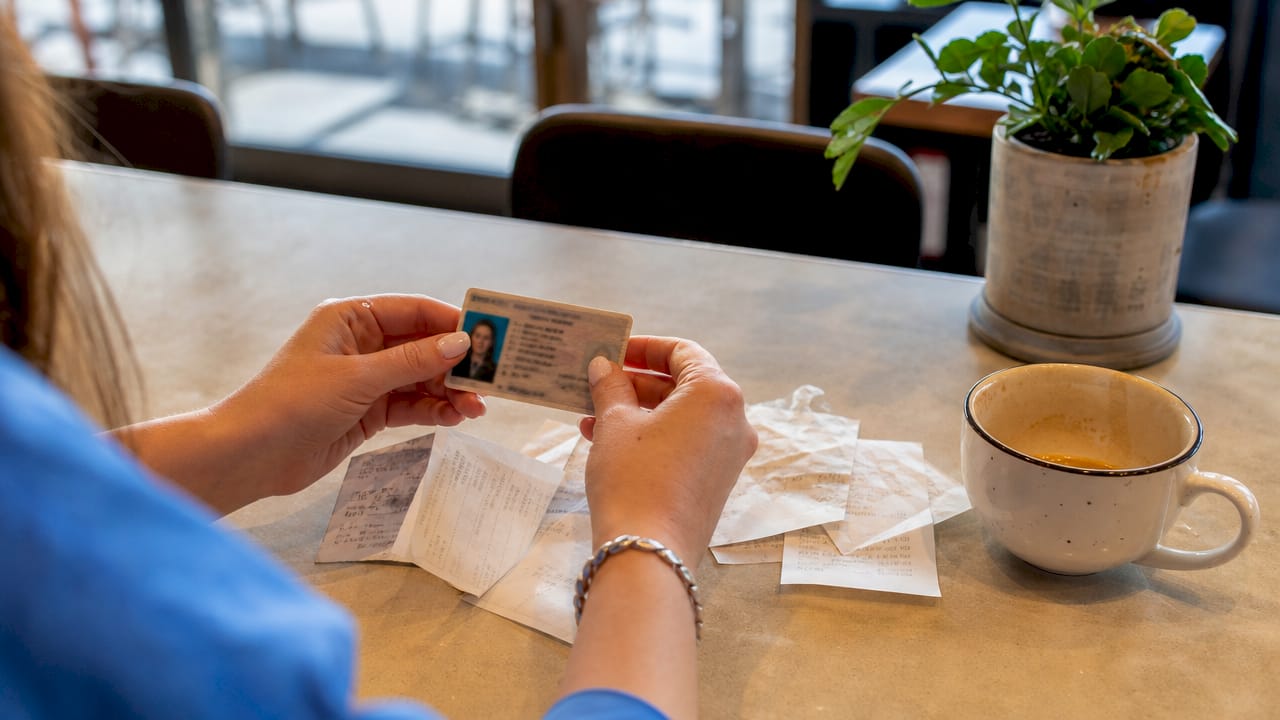
Proof of residence and income serve a specific legal purpose. They demonstrate that the co-signer has stable community ties and the financial capacity to accept responsibility if the defendant fails to appear in court. Without these, a bondsman cannot accurately assess the risk of writing the bond.
The defendant’s arrest information is equally critical. You need their full legal name as it appears in booking records, the booking number assigned at intake, and the exact name and address of the facility where they are held. This information allows the bondsman to pull records, calculate the bail amount, and begin the release process without delay.
2. Identification documents: what’s accepted and why it matters
Government-issued photo identification is the non-negotiable starting point for any bail bond application. A valid Kansas driver’s license, a U.S. passport, or a state ID card issued by the Kansas Department of Revenue are all standard. Expired IDs are not accepted. If your ID expired more than 30 days ago, get it renewed before you call a bondsman.
The co-signer’s ID serves a legal function beyond simple identification. It confirms that the person signing the indemnitor agreement is of legal age and competent to enter a binding contract. The indemnitor signs a legally binding contract accepting full financial responsibility if the defendant skips court. That contract has real legal weight, and the bondsman must verify the signer’s identity before executing it.
One of the most common delays in bail bond processing is a name mismatch. The name on your ID must match the name on the bail bond contract, which in turn must match the defendant’s booking record. A middle name omitted on one form, or a nickname used instead of a legal name, can trigger a correction process that adds hours to the release timeline.
- Valid Kansas driver’s license (not expired)
- U.S. passport (domestic or international)
- State-issued ID card from any U.S. state
- Military ID (accepted by most Kansas bondsmen)
Pro Tip: If you recently changed your name through marriage or a court order, bring both your current ID and the legal name change document. Bondsmen need to reconcile any discrepancy before signing off.
3. Proof of residence and employment for co-signers
Proof of stable, local residence is often the most critical document in the co-signer’s file because it directly addresses the bondsman’s primary concern: flight risk. A defendant with a co-signer who has deep, verifiable roots in the community is statistically less likely to skip a court date. This is why bondsmen in Sedgwick County and across Kansas treat residence documentation with the same seriousness as financial records.
A single utility bill is rarely enough. Bondsmen frequently request multiple proofs of address to build a complete picture of the co-signer’s stability. Accepted documents typically include:
- Current utility bills (gas, electric, water) in your name
- A signed lease agreement or mortgage statement
- Recent bank statements showing your address
- Government-issued mail such as a tax return or benefit letter
Employment documentation follows the same logic. Pay stubs from the last 30 to 60 days, an employer verification letter, or recent bank statements showing regular direct deposits all demonstrate financial responsibility. For co-signers who are self-employed, two to three months of bank statements and a business license are the standard substitutes.
Flight risk assessment factors primarily include stable residence and strong community ties, validated through multiple proofs of address and employment. A thorough residency file can also reduce the collateral burden on larger bonds, which is a practical financial benefit for families already under stress.
Pro Tip: Gather at least two separate proofs of residence before you contact a bondsman. If one document has an old address or a discrepancy, the second one keeps the process moving without a trip back home.
4. Defendant arrest information required for processing
The bondsman cannot begin work without precise information about the defendant’s arrest. Not having the exact booking number and current jail location leads to unnecessary delays of several critical hours. This is the single most preventable bottleneck in the bail bond process.
You need four specific pieces of information:
- The defendant’s full legal name exactly as it appears in booking records
- The booking number assigned at intake
- The full name of the detention facility (for example, Sedgwick County Detention Facility)
- The jail’s physical address or jurisdiction
The Sedgwick County Active Inmate Search tool is the fastest way to retrieve this information for anyone held in Wichita or the surrounding county. You can use the inmate search tool to locate the booking number and confirm the facility before you make a single phone call to a bondsman. This step alone can cut the initial processing time significantly.
Bail amounts are set by a judge or determined by the county’s bond schedule for common offenses. Knowing the bail amount in advance helps the bondsman calculate the premium and prepare the paperwork before arriving at the jail.
Pro Tip: Screenshot the inmate search results and send them to your bondsman before the call. Having the booking number and facility name in writing eliminates transcription errors and speeds up the first steps of processing.
5. Collateral and premium requirements for larger bonds
Bail premiums typically range from 10% to 15% of the total bail amount and are non-refundable under any circumstances. This is a service fee paid to the bondsman for assuming the financial risk of the bond. It is not a deposit. Even if charges are dropped the day after release, the premium does not come back. Families who misunderstand this point often experience significant frustration, so it is worth stating clearly upfront.
For higher bail amounts, bondsmen require collateral to secure the bond. The types most commonly accepted in Kansas include:
| Collateral Type | What’s Required |
|---|---|
| Real property (home, land) | Deed, proof of equity, professional appraisal |
| Vehicle | Clear title, no outstanding liens, current value estimate |
| Valuables (jewelry, electronics) | Professional appraisal, receipt of ownership |
| Cash or bank assets | Bank statements, account verification |
Collateral equity requirements usually exceed the bail amount by 150% to 200%, and bondsmen require professional appraisals and title searches before accepting property. This protects the bondsman in the event the defendant fails to appear and the full bail amount is forfeited to the court.
The good news is that collateral requirements may be negotiable. Steady employment history, strong community references, or a long-standing relationship with a local bondsman can sometimes substitute for physical assets. This is particularly relevant for families in Wichita who have established ties to the community but limited liquid assets. You can review flexible collateral options to understand what alternatives may apply to your situation.
Pro Tip: If you are offering real property as collateral, order a title search before contacting the bondsman. Liens or co-ownership disputes will surface during the bondsman’s review anyway, and addressing them in advance prevents a last-minute rejection.
6. Step-by-step checklist to prepare your bail bond paperwork in Kansas
Preparation is the difference between a two-hour release and a six-hour wait. Follow this ordered checklist to gather everything before you contact a bondsman.
- Search for the defendant online. Use the Sedgwick County Active Inmate Search to confirm the defendant’s full legal name as booked, their booking number, and the detention facility name and address.
- Gather your government-issued photo ID. Confirm it is current, not expired, and that the name matches what you will sign on the bond contract.
- Collect two proofs of residence. A utility bill plus a lease agreement or mortgage statement is the standard combination. Both must show your current address.
- Prepare employment and income documents. Gather pay stubs from the last 30 to 60 days, or bank statements showing regular income if you are self-employed.
- Determine the bail amount. Ask the jail directly or check the county bond schedule for the specific charge. This tells you what the premium will be and whether collateral is likely required.
- Assess collateral needs. If the bail amount is high, locate your vehicle title, property deed, or other assets. If property is involved, contact an appraiser before calling the bondsman.
- Prepare for the indemnitor agreement. Understand that signing this contract makes you legally and financially responsible if the defendant misses a court date. Review the terms carefully before signing.
- Contact your bondsman with everything ready. Having all documents in hand when you call allows the bondsman to begin processing immediately rather than waiting on missing information.
The timeline for release after bond posting ranges from 2 to 6 hours depending on jail volume and staffing. Paperwork execution, including the indemnitor agreement, must be completed before processing begins. Every minute spent chasing a missing document is a minute added to that window.
Key takeaways
Gathering the correct bail bond application documents before contacting a bondsman is the single most effective way to reduce the time between arrest and release.
| Point | Details |
|---|---|
| Core documents required | Valid photo ID, proof of residence, proof of income, and defendant’s arrest details are mandatory for every bail bond. |
| Booking number is critical | Retrieve the booking number and jail location via the Sedgwick County inmate search before calling a bondsman. |
| Premium is non-refundable | The 10% to 15% bail premium is a service fee and is never returned, even if charges are dropped. |
| Collateral equity threshold | Property used as collateral must typically exceed the bail amount by 150% to 200%, and requires professional appraisal. |
| Co-signer legal exposure | The indemnitor signs a binding contract accepting full financial liability if the defendant fails to appear in court. |
What experienced bondsmen see families get wrong
After working with families across Wichita and Sedgwick County, the pattern is consistent. The families who get their loved ones out fastest are not the ones with the most money. They are the ones who called with the booking number already in hand.
The single biggest time-waster we see is families calling a bondsman without knowing which facility holds the defendant. Jails in Kansas do not always transfer between facilities quickly, and a bondsman who drives to the wrong location loses hours. Using the Sedgwick County inmate search before you call takes five minutes and eliminates that risk entirely.
The second most common problem is the premium misunderstanding. Families sometimes expect a partial refund if the case resolves quickly. That expectation leads to conflict and disappointment. The premium is compensation for the bondsman’s risk from the moment the bond is signed. It does not change based on case outcome.
Co-signer liability is also frequently underestimated. Signing an indemnitor agreement is not a formality. If the defendant misses court, the co-signer is responsible for the full bail amount. That is a real financial exposure, and families should discuss it honestly before anyone signs. Understanding what happens after an arrest in Wichita helps co-signers make informed decisions rather than reactive ones.
My honest advice: treat the document checklist like a legal obligation, not a suggestion. Every item on that list exists because bondsmen, courts, and jails require it. The families who arrive prepared move faster, stress less, and get their person home sooner.
— Virtual
How Casebailbonds helps Kansas families post bail fast
When every hour counts, having a bondsman who knows exactly what to do with your paperwork makes a real difference. Casebailbonds serves Wichita and Sedgwick County 24 hours a day, helping families navigate the bail bond process from the first phone call to the moment of release.
Our team walks you through the requirements for bail bond approval, reviews your documents before submission, and handles the jail coordination so you do not have to. We offer flexible payment plans and can discuss collateral options for higher bail amounts. If you have your booking number, a valid ID, and proof of residence ready, we can begin processing immediately. Contact Casebailbonds now to speak with a licensed bondsman who will treat your family’s situation with the urgency and respect it deserves.
FAQ
What documents do I need to bail someone out in Kansas?
You need a valid government-issued photo ID, proof of residence, proof of income, and the defendant’s full legal name, booking number, and jail location. These documents are required before any bail bond application can be processed.
Is the bail bond premium refundable if charges are dropped?
No. The bail premium is non-refundable regardless of the case outcome, including if charges are dismissed. It is a service fee paid to the bondsman for assuming financial risk, not a deposit held against the bail amount.
What counts as proof of residence for a bail bond co-signer?
Accepted proofs include utility bills, a signed lease or mortgage statement, recent bank statements, and government-issued mail showing your current address. Bondsmen often request two separate documents to fully verify stable local residence.
How long does it take to get someone released after posting bail?
Release typically takes 2 to 6 hours after the bond is posted, depending on the jail’s volume and staffing at the time. Having all paperwork completed and submitted without errors keeps the process at the shorter end of that range.
What happens if I sign as a co-signer and the defendant misses court?
The co-signer becomes legally responsible for the full bail amount. The indemnitor agreement is a binding contract, and the bondsman has the legal authority to pursue repayment or seize any collateral pledged to secure the bond.